Items filtered by date: April 2026
Ingrown Toenail Surgery

Ingrown toenail surgery, known as matricectomy, is a procedure used to treat recurring or painful ingrown toenails by removing part or all of the nail matrix to prevent regrowth. This condition occurs when the edge of the nail grows into the surrounding skin, causing pain, redness, swelling, and possible infection. Risk factors include improper nail trimming, wearing tight footwear, injury, and genetic nail shape. During the procedure, a podiatrist carefully removes the affected portion of the nail and applies a solution to stop it from growing back. This offers a long-term solution and relief from repeated issues. A podiatrist ensures safe treatment and proper healing. If you have an ingrown toenail that is uncomfortable or painful, it is suggested that you consult a podiatrist who can determine if this type of foot surgery is right for you.
Ingrown toenails may initially present themselves as a minor discomfort, but they may progress into an infection in the skin without proper treatment. For more information about ingrown toenails, contact Elliot T. Udell, DPM of New York. Our doctor can provide the care you need to keep you pain-free and on your feet.
Ingrown Toenails
Ingrown toenails are caused when the corner or side of a toenail grows into the soft flesh surrounding it. They often result in redness, swelling, pain, and in some cases, infection. This condition typically affects the big toe and may recur if it is not treated properly.
Causes
- Improper toenail trimming
- Genetics
- Improper shoe fitting
- Injury from pedicures or nail picking
- Abnormal gait
- Poor hygiene
You are more likely to develop an ingrown toenail if you are obese, have diabetes, arthritis, or have any fungal infection in your nails. Additionally, people who have foot or toe deformities are at a higher risk of developing an ingrown toenail.
Symptoms
Some symptoms of ingrown toenails are redness, swelling, and pain. In rare cases, there may be a yellowish drainage coming from the nail.
Treatment
Ignoring an ingrown toenail can have serious complications. Infections of the nail border can progress to a deeper soft-tissue infection, which can then turn into a bone infection. You should always speak with your podiatrist if you suspect you have an ingrown toenail, especially if you have diabetes or poor circulation.
If you have any questions, please feel free to contact our office located in Hicksville, NY . We offer the newest diagnostic and treatment technologies for all your foot care needs.
Minimally Invasive Foot and Ankle Surgery Explained
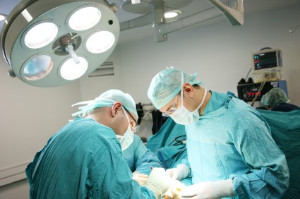
Minimally invasive surgery for the foot and ankle is a technique that uses small incisions and specialized instruments to treat a variety of conditions with less disruption to surrounding tissue. It is commonly used for problems such as bunions, hammertoes, tendon injuries, and joint issues that cause pain and limit mobility. Risk factors that may lead to these conditions include improper footwear, repetitive stress, injury, and structural foot abnormalities. This surgical approach often results in reduced pain, faster recovery, and minimal scarring compared to traditional surgery. A podiatrist can evaluate your condition, determine if you are a candidate, and guide you through treatment and recovery. If you are experiencing persistent foot or ankle pain, it is suggested that you consult a podiatrist to discuss effective treatment solutions, which may include surgery.
Foot surgery is sometimes necessary to treat a foot ailment. To learn more, contact Elliot T. Udell, DPM of New York. Our doctor will assist you with all of your foot and ankle needs.
When Is Surgery Necessary?
Foot and ankle surgery is generally reserved for cases in which less invasive, conservative procedures have failed to alleviate the problem. Some of the cases in which surgery may be necessary include:
- Removing foot deformities like bunions and bone spurs
- Severe arthritis that has caused bone issues
- Cosmetic reconstruction
What Types of Surgery Are There?
The type of surgery you receive will depend on the nature of the problem you have. Some of the possible surgeries include:
- Bunionectomy for painful bunions
- Surgical fusion for realignment of bones
- Neuropathy decompression surgery to treat nerve damage
Benefits of Surgery
Although surgery is usually a last resort, it can provide more complete pain relief compared to non-surgical methods and may allow you to finally resume full activity.
Surgical techniques have also become increasingly sophisticated. Techniques like endoscopic surgery allow for smaller incisions and faster recovery times.
If you have any questions, please feel free to contact our office located in Hicksville, NY . We offer the newest diagnostic and treatment technologies for all your foot care needs.
