Items filtered by date: September 2025
Sever’s Disease Affects the Heel
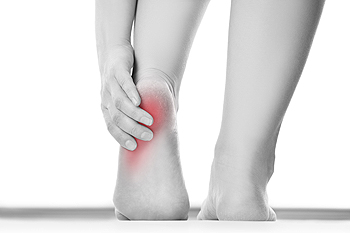 The medical condition that is known as Sever’s disease generally affects teenaged children. In active teenagers, tendons and muscles may pull on the growth plate in the heel, and this may cause severe pain and discomfort. Mild relief may be found when the activity that caused the ailment ceases and when specific stretches are frequently performed. In severe cases, it may be beneficial to use an elastic wrap on the affected foot, and this may help to reduce existing swelling. If you notice your child is limping, it is strongly recommended that you confer with a podiatrist who can properly diagnose and treat Sever’s disease.
Sever's disease often occurs in children and teens. If your child is experiencing foot or ankle pain, see Elliot T. Udell, DPM from New York. Our doctor can treat your child’s foot and ankle needs.
Sever’s Disease
Sever’s disease is also known as calcaneal apophysitis, which is a medical condition that causes heel pain I none or both feet. The disease is known to affect children between the ages of 8 and 14.
Sever’s disease occurs when part of the child’s heel known as the growth plate (calcaneal epiphysis) is attached to the Achilles tendon. This area can suffer injury when the muscles and tendons of the growing foot do not keep pace with bone growth. Therefore, the constant pain which one experiences at the back of the heel will make the child unable to put any weight on the heel. The child is then forced to walk on their toes.
Symptoms
Acute pain – Pain associated with Sever’s disease is usually felt in the heel when the child engages in physical activity such as walking, jumping and or running.
Highly active – Children who are very active are among the most susceptible in experiencing Sever’s disease, because of the stress and tension placed on their feet.
If you have any questions, please feel free to contact our office located in Hicksville, NY . We offer the newest diagnostic and treatment technologies for all your foot care needs.
It's Time for Beautiful Feet

You don't need an excuse to have beautiful nails. Step outside without worrying about the appearance of your feet.
The Pain of Tarsal Tunnel Syndrome

If you feel a burning pain in the ankle, and numbness or tingling on the sole of the foot, you may have a condition known as tarsal tunnel syndrome. It occurs when the leg’s tibial nerve, which allows you to feel and move the foot, is compressed. Tarsal tunnel syndrome usually affects only one foot, and discomfort tends to be worse at night. It may be caused by osteoarthritis, scar tissue buildup from an ankle injury, rheumatoid arthritis, or diabetes. The area of the foot where the tibial nerve enters the back of the ankle, called the tarsal tunnel, is normally narrow. But if the nerve is compressed, it may activate the syndrome. Pressure on the nerve may be caused by swelling from an injury, a bone spur, flat feet, a high arch, or systemic diseases. Treatment can include orthotics, non-steroidal anti-inflammatory injections, and in severe cases, surgery. For more information about tarsal tunnel syndrome, please consult a podiatrist who can evaluate your condition and prescribe the proper treatment.
Tarsal tunnel syndrome can be very uncomfortable to live with. If you are experiencing tarsal tunnel syndrome, contact Elliot T. Udell, DPM of New York. Our doctor can provide the care you need to keep you pain-free and on your feet.
Tarsal Tunnel Syndrome
Tarsal tunnel syndrome, which can also be called tibial nerve dysfunction, is an uncommon condition of misfiring peripheral nerves in the foot. The tibial nerve is the peripheral nerve in the leg responsible for sensation and movement of the foot and calf muscles. In tarsal tunnel syndrome, the tibial nerve is damaged, causing problems with movement and feeling in the foot of the affected leg.
Common Cause of Tarsal Tunnel Syndrome
- Involves pressure or an injury, direct pressure on the tibial nerve for an extended period of time, sometimes caused by other body structures close by or near the knee.
- Diseases that damage nerves, including diabetes, may cause tarsal tunnel syndrome.
- At times, tarsal tunnel syndrome can appear without an obvious cause in some cases.
The Effects of Tarsal Tunnel Syndrome
- Different sensations, an afflicted person may experience pain, tingling, burning or other unusual sensations in the foot of the affected leg.
- The foot muscles, toes and ankle become weaker, and curling your toes or flexing your foot can become difficult.
- If condition worsens, infections and ulcers may develop on the foot that is experiencing the syndrome.
A physical exam of the leg can help identify the presence of tarsal tunnel syndrome. Medical tests, such as a nerve biopsy, are also used to diagnose the condition. Patients may receive physical therapy and prescriptive medication. In extreme cases, some may require surgery.
If you have any questions please contact our office located in Hicksville, NY . We offer the newest diagnostic and treatment technologies for all your foot and ankle needs.
Understanding Midfoot Arthritis

Midfoot arthritis happens when the joints in the middle of the foot lose their protective cartilage, which normally cushions and allows smooth movement. Without this cushion, the bones begin to rub together, leading to pain, stiffness, and swelling. Since the midfoot plays a key role in supporting body weight and helping with walking, even simple activities like standing on uneven ground or climbing stairs can become difficult when arthritis develops. Many people also notice discomfort when wearing shoes lacking adequate support. Treatment for midfoot arthritis often begins with supportive footwear or custom orthotics that can help by redistributing pressure across the foot. Medications or corticosteroid injections may reduce inflammation and pain. Targeted exercises can improve strength and mobility surrounding the affected joints. If these measures are not enough, surgery such as joint fusion may be considered to stabilize the foot and relieve symptoms. If you have midfoot pain that persists, it is suggested that you visit a podiatrist for proper evaluation and appropriate treatment.
Arthritis can be a difficult condition to live with. If you are seeking treatment, contact Elliot T. Udell, DPM from New York. Our doctor can provide the care you need to keep you pain-free and on your feet.
Arthritic Foot Care
Arthritis is a joint disorder that involves the inflammation of different joints in your body, such as those in your feet. Arthritis is often caused by a degenerative joint disease and causes mild to severe pain in all affected areas. In addition to this, swelling and stiffness in the affected joints can also be a common symptom of arthritis.
In many cases, wearing ill-fitting shoes can worsen the effects and pain of arthritis. Wearing shoes that have a lower heel and extra room can help your feet feel more comfortable. In cases of rheumatoid arthritis, the arch in your foot may become problematic. Buying shoes with proper arch support that contour to your feet can help immensely.
Alleviating Arthritic Pain
- Exercises that stretch the foot can prevent further pain and injury and increase mobility
- Most of the pain can be alleviated with anti-inflammatory drugs, heat, and topical medications
- Massages can help temporarily alleviate pain.
It is best to see your doctor for the treatment that is right for your needs and symptoms. Conditions vary, and a podiatrist can help you determine the right method of care for your feet.
If you have any questions please feel free to contact our office located in Hicksville, NY . We offer the newest diagnostic tools and technology to treat your foot and ankle needs.
When Toes Burn and What It Could Mean

A burning sensation in the toes can feel alarming, especially when it lingers or worsens with activity. This symptom often points to nerve involvement, such as peripheral neuropathy, where the nerves become damaged and misfire signals of pain or heat. Diabetes is a common cause, but poor circulation, vitamin deficiencies, and certain medications may also contribute. Sometimes, footwear that is too tight or repetitive stress can trigger the feeling as well. Diagnosis begins with a careful medical history and exam to determine whether the source is nerve-related, circulatory, or mechanical. Additional tests may be needed to confirm the underlying cause. Treatment depends on the diagnosis and may include wearing better footwear, custom orthotics, targeted exercise, or medication to calm nerve irritation. Because burning toes may signal an underlying condition that requires attention, if you have this sensation, it is suggested that you consult a podiatrist for appropriate care.
Toe pain can disrupt your daily activities. If you have any concerns, contact Elliot T. Udell, DPM of New York. Our doctor can provide the care you need to keep you pain-free and on your feet.
What Causes Toe Pain?
Most severe toe pain is caused due to a sports injury, trauma from dropping something heavy on the toe, or bumping into something rigid. Other problems can develop over time for various reasons.
Toe pain can be caused by one or more ailments. The most common include:
- Trauma
- Sports injury
- Wearing shoes that are too tight
- Arthritis
- Gout
- Corns and calluses
- Hammertoe
- Bunions
- Blisters
- Ingrown toenails
- Sprains
- Fractures (broken bones)
- Dislocations
When to See a Podiatrist
- Severe pain
- Persistent pain that lasts more than a week
- Signs of infection
- Continued swelling
- Pain that prevents walking
Diagnosis
In many cases the cause of toe pain is obvious, but in others, a podiatrist may want to use more advanced methods to determine the problem. These can range from simple visual inspections and sensation tests to X-rays and MRI scans. Prior medical history, family medical history, and any recent physical traumatic events will all be taken into consideration for a proper diagnosis.
Treatment
Treatments for toe pain and injuries vary and may include shoe inserts, padding, taping, medicines, injections, and in some cases, surgery. If you believe that you have broken a toe, please see a podiatrist as soon as possible.
If you have any questions please contact our office located in Hicksville, NY . We offer the newest diagnostic and treatment technologies for all your foot and ankle needs.
Treatment Options for Ingrown Toenails

Ingrown toenails develop when the edge of the nail grows into the surrounding skin, leading to pain, redness, swelling, and sometimes infection. This condition most often affects the big toe, especially along the lateral edge. Causes include hereditary nail shape, poorly fitting shoes that compress the toes, trauma, and trimming nails too short or with rounded corners. A podiatrist can assess the severity of the ingrown toenail and provide the appropriate treatment, which may include surgery in recurring or severe cases. Conservative options involve carefully lifting and supporting the nail edge to reduce pressure on the skin. In more advanced cases, a podiatrist may recommend partial removal of the nail or removal of the nail matrix, the tissue located under the base of the nail, just beneath the cuticle and behind the nail plate, to prevent regrowth in the affected section. These approaches relieve pain, correct the ingrown edge, and lower the risk of infection or complications. If you have a problematic ingrown toenail, it is suggested that you suchedule an appointment with a podiatrist for an evaluation and appropriate treatment.
Ingrown toenails can become painful if they are not treated properly. For more information about ingrown toenails, contact Elliot T. Udell, DPM of New York. Our doctor can provide the care you need to keep you pain-free and on your feet.
Ingrown Toenails
Ingrown toenails occur when a toenail grows sideways into the bed of the nail, causing pain, swelling, and possibly infection.
Causes
- Bacterial infections
- Improper nail cutting such as cutting it too short or not straight across
- Trauma to the toe, such as stubbing, which causes the nail to grow back irregularly
- Ill-fitting shoes that bunch the toes too close together
- Genetic predisposition
Prevention
Wearing proper fitting shoes and using proper cutting techniques will also help decrease your risk of developing ingrown toenails.
Treatment
Ingrown toenails are a very treatable foot condition. In minor cases, soaking the affected area in salt or antibacterial soaps will not only help with the ingrown nail itself, but also help prevent any infections from occurring. In more severe cases, surgery is an option. In either case, speaking to your podiatrist about this condition will help you get a better understanding of specific treatment options that are right for you.
If you have any questions, please feel free to contact our office located in Hicksville, NY . We offer the newest diagnostic and treatment technologies for all your foot care needs.
