Items filtered by date: November 2025
Are Bunions Affecting Your Everyday Life?
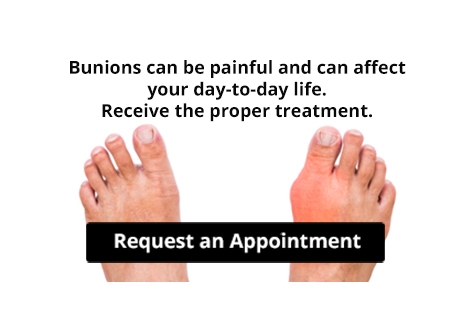
Have you noticed a bony protrusion on the side of your big toe? If so, you may have developed the foot condition known as a bunion. Don't let bunions interfere with your daily activities.
Running Shoes for Comfort and Performance

Running shoes play an important role in protecting your feet and improving your overall movement. Good cushioning helps absorb impact and reduce stress on your joints, while stability features keep your foot from rolling too far inward or outward. Proper support guides natural motion and lowers the risk of common injuries. A proper fit is essential because shoes that are too tight or too loose can create discomfort and lead to blisters or strain. All of these features work together to keep your feet comfortable and safe during activity. A podiatrist can evaluate your foot type, gait, and needs to help you choose the best footwear. If you have foot pain from wearing the wrong type of shoes, it is suggested that you consult a podiatrist who can treat various foot conditions and provide individualized guidance on the right type of running shoes to purchase.
You should always make sure your running shoes fit properly in order to avoid injury. For more information, contact Elliot T. Udell, DPM from New York. Our doctor can provide the care you need to keep you pain-free and on your feet.
Choosing the Right Running Shoe for Your Foot Type
Improper shoe sizing can cause a myriad of problems for your feet. Shoes that don’t fit you properly can lead to muscular imbalances in your body, which can result in foot, knee, and hip injuries.
Tips for Finding the Right Running Shoe
- Make sure you have a thumb’s width of wiggle room between the end of your longest toe and the front of the shoe.
- There should be little to no slipping at the heel
- Don’t assume your size in one shoe brand will be your size in another
- Do not lace up your shoes too tightly
- Walk around in the store with your new shoes before you buy them
If you have any questions, please feel free to contact our office located in Hicksville, NY . We offer the newest diagnostic and treatment technologies for all your foot care needs.
Types of Ingrown Toenail Surgery

Ingrown toenail surgery is a medical procedure performed to treat toenails that grow into the surrounding skin, causing pain, swelling, and infection. Surgery may be necessary when conservative treatments such as soaking, proper trimming, or topical care fail to relieve symptoms. Common types of procedures include wedge excision, which removes a portion of the nail, Zadek's procedure, which addresses nail matrix issues, and simple toenail removal for severe cases. A podiatrist can evaluate the condition, recommend the most appropriate surgical option, and provide post-operative care to ensure proper healing and prevent recurrence. If you are experiencing recurring ingrown toenails, it is suggested that you promptly schedule an appointment with a podiatrist for an expert assessment and discussion on how surgery might benefit you.
Foot surgery is sometimes necessary to treat a foot ailment. To learn more, contact Elliot T. Udell, DPM of New York. Our doctor will assist you with all of your foot and ankle needs.
When Is Surgery Necessary?
Foot and ankle surgery is generally reserved for cases in which less invasive, conservative procedures have failed to alleviate the problem. Some of the cases in which surgery may be necessary include:
- Removing foot deformities like bunions and bone spurs
- Severe arthritis that has caused bone issues
- Cosmetic reconstruction
What Types of Surgery Are There?
The type of surgery you receive will depend on the nature of the problem you have. Some of the possible surgeries include:
- Bunionectomy for painful bunions
- Surgical fusion for realignment of bones
- Neuropathy decompression surgery to treat nerve damage
Benefits of Surgery
Although surgery is usually a last resort, it can provide more complete pain relief compared to non-surgical methods and may allow you to finally resume full activity.
Surgical techniques have also become increasingly sophisticated. Techniques like endoscopic surgery allow for smaller incisions and faster recovery times.
If you have any questions, please feel free to contact our office located in Hicksville, NY . We offer the newest diagnostic and treatment technologies for all your foot care needs.
Causes of Warm or Hot Feet

Warm or hot feet can be uncomfortable and may signal an underlying issue. Common causes include long hours of standing or walking, wearing shoes that do not allow airflow, or having a medical condition that affects circulation. Athlete’s foot, which is a fungal infection, can also cause heat, itching, and burning sensations. Nutrient deficiencies, particularly in B vitamins, may contribute to nerve irritation, while peripheral neuropathy related to diabetes or other conditions can cause persistent warmth or burning pain. A podiatrist can perform a thorough evaluation to identify the cause, treat infections, manage nerve conditions, and recommend proper footwear. If your feet have become unusually warm or hot, it is suggested that you schedule an appointment with a podiatrist who can offer effective relief and treatment solutions.
Foot Pain
Foot pain can be extremely painful and debilitating. If you have a foot pain, consult with Elliot T. Udell, DPM from New York. Our doctor will assess your condition and provide you with quality foot and ankle treatment.
Causes
Foot pain is a very broad condition that could be caused by one or more ailments. The most common include:
- Bunions
- Hammertoes
- Plantar Fasciitis
- Bone Spurs
- Corns
- Tarsal Tunnel Syndrome
- Ingrown Toenails
- Arthritis (such as Gout, Rheumatoid, and Osteoarthritis)
- Flat Feet
- Injury (from stress fractures, broken toe, foot, ankle, Achilles tendon ruptures, and sprains)
- And more
Diagnosis
To figure out the cause of foot pain, podiatrists utilize several different methods. This can range from simple visual inspections and sensation tests to X-rays and MRI scans. Prior medical history, family medical history, and any recent physical traumatic events will all be taken into consideration for a proper diagnosis.
Treatment
Treatment depends upon the cause of the foot pain. Whether it is resting, staying off the foot, or having surgery; podiatrists have a number of treatment options available for foot pain.
If you have any questions, please feel free to contact our office located in Hicksville, NY . We offer the newest diagnostic and treatment technologies for all your foot care needs.
Causes of Foot Pain From Cycling

Foot pain from cycling is often linked to how the foot interacts with the shoe, pedal, and cleat system, and several issues may contribute. Shoes that are too tight or have a narrow toe box can compress the toes and restrict blood flow. Also, thick socks or bulky insoles can further crowd the foot inside the shoe. Cleat placement is another major cause of foot pain from cycling. Cleats positioned too far forward place excess pressure on the ball of the foot and increase strain on the small stabilizing muscles. This can lead to numbness, tingling, or pain across the forefoot. Some cyclists also develop discomfort on the outside of the foot, near the fifth metatarsal. This is especially true when the natural forefoot position tilts slightly inward, causing uneven weight distribution. Persistent foot pain from cycling may require professional evaluation to prevent worsening of symptoms. If you are experiencing foot pain after cycling, it is suggested that you schedule an appointment with a podiatrist for an exam and appropriate treatment.
Ankle and foot injuries are common among athletes and in many sports. They can be caused by several problems and may be potentially serious. If you are feeling pain or think you were injured in a sporting event or when exercising, consult with Elliot T. Udell, DPM from New York. Our doctor will assess your condition and provide you with quality foot and ankle treatment.
Common Injuries
The most common injuries that occur in sporting activities include:
- Achilles Tendonitis
- Achilles Tendon Rupture
- Ankle Sprains
- Broken Foot
- Plantar Fasciitis
- Stress Fractures
- Turf Toe
Symptoms
Symptoms vary depending upon the injury and in some cases, there may be no symptoms at all. However, in most cases, some form of symptom is experienced. Pain, aching, burning, bruising, tenderness, tightness or stiffness, sensation loss, difficulty moving, and swelling are the most common symptoms.
Treatment
Just as symptoms vary depending upon the injury, so do treatment options. A common treatment method is known as the RICE method. This method involves rest, applying ice, compression and elevating the afflicted foot or ankle. If the injury appears to be more serious, surgery might be required, such as arthroscopic or reconstructive surgery. Lastly, rehabilitation or therapy might be needed to gain full functionality in the afflicted area. Any discomfort experienced by an athlete must be evaluated by a licensed, reputable medical professional.
If you have any questions please contact our office located in Hicksville, NY . We offer the newest diagnostic and treatment technologies for all your foot and ankle needs.
