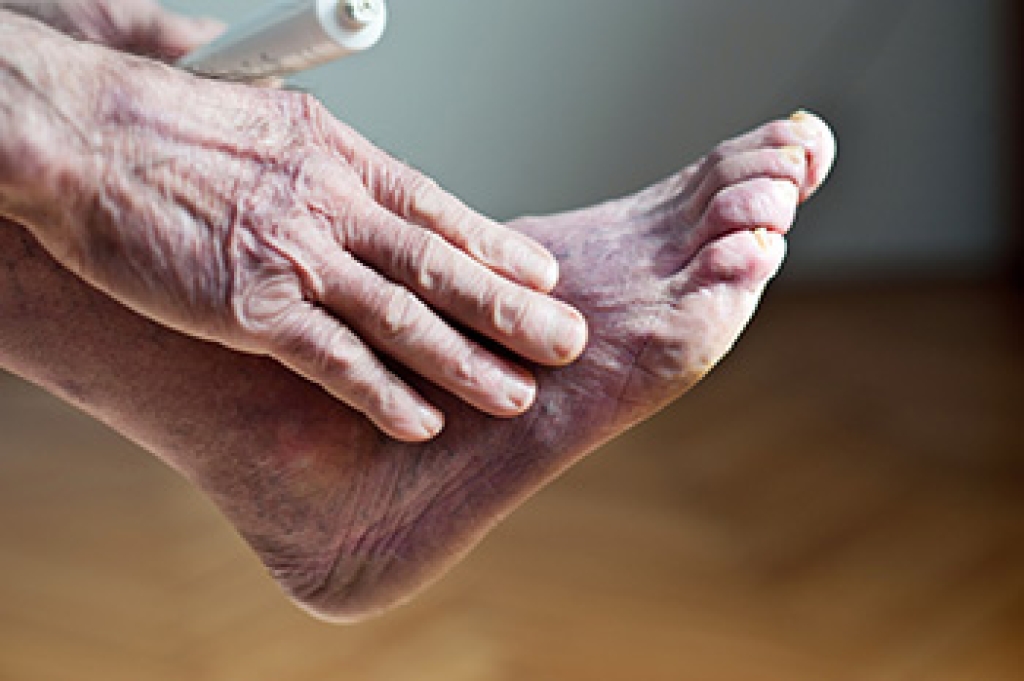
Signs of Poor Circulation in the Feet

Healthy blood flow delivers oxygen and nutrients throughout the body. Poor circulation develops when blood does not move effectively through the blood vessels. One major cause is narrowing of the arteries from fatty deposits called plaques. When arteries in the legs become narrow, less blood reaches the feet. This problem is called peripheral arterial disease, or PAD. Reduced circulation can make the feet more vulnerable to injury, infection, and ulcers. Cuts and other skin injuries can also heal more slowly when the tissues do not receive enough oxygen and nutrients.

Warning signs can appear in the feet and legs. Painful cramps in the calves can develop with activity and improve with rest. Some patients notice numbness, weakness, or swelling, especially in the feet. The feet and toes can also feel colder than usual. Changes can affect the skin, hair, and toenails because these tissues depend on a steady blood supply. Poor circulation can contribute to brittle nails and slower healing of cuts. Varicose veins can also appear near the feet and ankles when weakened vein valves allow blood and pressure to build up.

A podiatrist can examine the feet for changes linked to poor circulation and assess how well blood is reaching the lower limbs. This evaluation can include checking skin condition, temperature, and pulses in the feet. A podiatrist can also identify wounds or ulcers that are healing slowly and provide appropriate foot care. Regular podiatry visits can help protect vulnerable feet by detecting changes early and reducing the risk of complications. Patients should report persistent cramping, numbness, or unusual temperature changes in their feet. If you have symptoms of poor circulation, it is suggested that you schedule an appointment with a podiatrist for a diagnosis and appropriate treatment and management solutions.

Poor circulation is a serious condition and needs immediate medical attention. If you have any concerns with poor circulation in your feet contact Elliot T. Udell, DPM of New York. Our doctor will treat your foot and ankle needs.

Poor Circulation in the Feet

Poor blood circulation in the feet and legs is can be caused by peripheral artery disease (PAD), which is the result of a buildup of plaque in the arteries.

Plaque buildup or atherosclerosis results from excess calcium and cholesterol in the bloodstream. This can restrict the amount of blood which can flow through the arteries. Poor blood circulation in the feet and legs are sometimes caused by inflammation in the blood vessels, known as vasculitis.

Causes

Lack of oxygen and oxygen from poor blood circulation restricts muscle growth and development. It can also cause:

  • Muscle pain, stiffness, or weakness 
  • Numbness or cramping in the legs
  • Skin discoloration
  • Slower nail & hair growth
  • Erectile dysfunction

Those who have diabetes or smoke are at greatest risk for poor circulation, as are those who are over 50. If you have poor circulation in the feet and legs it may be caused by PAD and is important to make changes to your lifestyle in order to reduce risk of getting a heart attack or stroke. Exercise and maintaining a healthy lifestyle will dramatically improve conditions.

As always, see a podiatrist as he or she will assist in finding a regimen that suits you. A podiatrist can also prescribe you any needed medication. 

If you have any questions, please feel free to contact our office located in Hicksville, NY . We offer the newest diagnostic and treatment technologies for all your foot care needs.

Read more about Causes, Symptoms, and Treatment of Poor Blood Circulation in the Feet

Are You Suffering From Ingrown Toenails?

If left untreated, an ingrown toenail can lead to more serious concerns, such as an infection. Knowing proper nail care can help in the prevention of an ingrown toenail. Give us a call, and get treated!

Toe Pain and What Could Be Causing It

Toe pain can make standing, walking, and other daily activities uncomfortable. Pain can develop after an injury or a change in normal activity. Foot and toe problems can cause pain, stiffness, or swelling. Changes in sensation can also occur. A toe injury can happen after a fall or direct impact. Repeated pressure from certain activities can also irritate the toes. Wearing shoes that do not fit properly can contribute to discomfort by placing added pressure on sensitive areas of the foot.

The location and type of toe pain can provide useful clues about its cause. Pain around the big-toe joint can be related to joint problems or irritation from pressure. Swelling can develop after an injury and make movement difficult. Some patients notice numbness or tingling along with pain. Changes in skin color or temperature can also occur with certain foot problems. Pain can affect the way a person walks, which can place extra stress on other areas of the foot. Persistent symptoms deserve evaluation, especially when pain limits normal movement or becomes more severe.

A podiatrist can evaluate toe pain by examining the painful area and checking how the toes and foot move. The evaluation can include questions about recent injuries, activity changes, and when symptoms began. A podiatrist can also assess shoes to determine whether their fit is contributing to pressure or discomfort. Treatment depends on the cause of the pain and the structures involved. A podiatrist can address problems affecting the joints, nails, or surrounding tissues and recommend treatment that supports comfortable movement. Early evaluation can help prevent a minor problem from becoming more difficult to manage. If you have toe pain, it is suggested that you schedule an appointment with a podiatrist for a diagnosis and appropriate treatment.

Toe pain can disrupt your daily activities. If you have any concerns, contact Elliot T. Udell, DPM of New York. Our doctor can provide the care you need to keep you pain-free and on your feet.

What Causes Toe Pain?

Most severe toe pain is caused due to a sports injury, trauma from dropping something heavy on the toe, or bumping into something rigid. Other problems can develop over time for various reasons.

Toe pain can be caused by one or more ailments. The most common include:

  • Trauma
  • Sports injury
  • Wearing shoes that are too tight
  • Arthritis
  • Gout
  • Corns and calluses
  • Hammertoe
  • Bunions
  • Blisters
  • Ingrown toenails
  • Sprains
  • Fractures (broken bones)
  • Dislocations

When to See a Podiatrist

  • Severe pain
  • Persistent pain that lasts more than a week
  • Signs of infection
  • Continued swelling
  • Pain that prevents walking

Diagnosis

In many cases the cause of toe pain is obvious, but in others, a podiatrist may want to use more advanced methods to determine the problem. These can range from simple visual inspections and sensation tests to X-rays and MRI scans. Prior medical history, family medical history, and any recent physical traumatic events will all be taken into consideration for a proper diagnosis.

Treatment

Treatments for toe pain and injuries vary and may include shoe inserts, padding, taping, medicines, injections, and in some cases, surgery. If you believe that you have broken a toe, please see a podiatrist as soon as possible.

If you have any questions please contact our office located in Hicksville, NY . We offer the newest diagnostic and treatment technologies for all your foot and ankle needs.

Read more about Toe Pain

Types of Foot Deformities

Foot deformities change the shape or alignment of the feet and can affect comfort, balance, and movement. Some people are born with them, while others develop them because of injuries, diseases, or wearing tight shoes. Genetics also plays an important role. Many feet have small differences that never cause symptoms. Others, however, become painful and make standing, walking, or fitting into shoes much harder. When foot bones, joints, and supporting tissues lose their normal position, pressure changes across the foot. This can lead to calluses, toe changes, and ongoing discomfort.

Several types of foot deformities affect daily life in different ways. Flat feet allow more of the sole to touch the ground, while high-arched feet place extra pressure on the ball of the foot. Splayfoot widens the front of the foot and increases stress across the forefoot. Bunions and hammertoes can also develop as the foot changes shape. Adults are more likely to notice pain, swelling, and difficulty walking when a deformity becomes more severe. Changes in foot alignment can also place extra stress on the knees, hips, and lower back. Some children appear to have flat or inward-leaning feet while they are growing, yet their feet reach a normal position as they mature. 

A podiatrist carefully examines the feet to identify the type of deformity and determine how it affects movement. X-rays or other imaging tests help show changes in the bones and joints. Treatment includes custom orthotics that improve foot support, padding that reduces pressure, and recommendations for shoes that provide proper support. A podiatrist also monitors changes in the feet and explains whether surgery is the best choice for deformities that limit walking or cause lasting pain. Early evaluation helps protect foot function and improve comfort. If you have a painful or problematic foot deformity, it is suggested that you schedule an appointment with a podiatrist for a diagnosis and appropriate treatment.

Foot Pain

Foot pain can be extremely painful and debilitating. If you have a foot pain, consult with Elliot T. Udell, DPM from New York. Our doctor will assess your condition and provide you with quality foot and ankle treatment.

Causes

Foot pain is a very broad condition that could be caused by one or more ailments. The most common include:

  • Bunions
  • Hammertoes
  • Plantar Fasciitis
  • Bone Spurs
  • Corns
  • Tarsal Tunnel Syndrome
  • Ingrown Toenails
  • Arthritis (such as Gout, Rheumatoid, and Osteoarthritis)
  • Flat Feet
  • Injury (from stress fractures, broken toe, foot, ankle, Achilles tendon ruptures, and sprains)
  • And more

Diagnosis

To figure out the cause of foot pain, podiatrists utilize several different methods. This can range from simple visual inspections and sensation tests to X-rays and MRI scans. Prior medical history, family medical history, and any recent physical traumatic events will all be taken into consideration for a proper diagnosis.

Treatment

Treatment depends upon the cause of the foot pain. Whether it is resting, staying off the foot, or having surgery; podiatrists have a number of treatment options available for foot pain.

If you have any questions, please feel free to contact our office located in Hicksville, NY . We offer the newest diagnostic and treatment technologies for all your foot care needs.
Read more about Foot Pain

How Foot Health Supports Falls Prevention

Falls are a leading cause of injury, especially among older adults, and healthy feet play an important role in maintaining balance and stability. Foot pain, reduced sensation, and poor joint movement can make walking more difficult and increase the risk of losing balance. Certain foot conditions may also affect the way a person walks, placing extra stress on the body and making everyday activities less safe. Muscle weakness, limited flexibility, and changes in foot structure can further reduce stability. Because many factors contribute to falls, evaluating foot health is an important part of identifying risks before an injury occurs. Early assessment can help improve mobility and support safer movement.


Foot and ankle function directly affects balance with every step. Conditions such as arthritis, bunions, and hammertoes may interfere with normal walking patterns. Other problems, including nerve-related changes, can reduce feeling in the feet and make it harder to detect uneven surfaces. As movement becomes less stable, the risk of slips and falls may increase. A thorough podiatry evaluation helps identify problems that affect balance, foot function, and walking mechanics. Understanding these issues allows a podiatrist to recommend treatment that supports safer mobility and helps reduce the likelihood of future falls.


A podiatrist plays an important role in falls prevention by evaluating foot health, identifying movement concerns, and developing an individualized treatment plan. Professional care may focus on improving foot function, reducing pain, and supporting better balance during daily activities. Regular evaluations also allow changes in foot health to be monitored before they lead to more serious mobility problems. Seeking care early may help maintain independence and reduce the risk of fall-related injuries. If foot pain, balance problems, or changes in the way you walk are affecting your stability, it is suggested that you consult a podiatrist for an evaluation and appropriate treatment options.

Preventing falls among the elderly is very important. If you are older and have fallen or fear that you are prone to falling, consult with Elliot T. Udell, DPM from New York. Our doctor will assess your condition and provide you with quality advice and care.

Every 11 seconds, an elderly American is being treated in an emergency room for a fall related injury. Falls are the leading cause of head and hip injuries for those 65 and older. Due to decreases in strength, balance, senses, and lack of awareness, elderly persons are very susceptible to falling. Thankfully, there are a number of things older persons can do to prevent falls.

How to Prevent Falls

Some effective methods that older persons can do to prevent falls include:

  • Enrolling in strength and balance exercise program to increase balance and strength
  • Periodically having your sight and hearing checked
  • Discuss any medications you have with a doctor to see if it increases the risk of falling
  • Clearing the house of falling hazards and installing devices like grab bars and railings
  • Utilizing a walker or cane
  • Wearing shoes that provide good support and cushioning
  • Talking to family members about falling and increasing awareness

Falling can be a traumatic and embarrassing experience for elderly persons; this can make them less willing to leave the house, and less willing to talk to someone about their fears of falling. Doing such things, however, will increase the likelihood of tripping or losing one’s balance. Knowing the causes of falling and how to prevent them is the best way to mitigate the risk of serious injury.  

If you have any questions, please feel free to contact our office located in Hicksville, NY . We offer the newest diagnostic and treatment technologies for all your foot care needs.
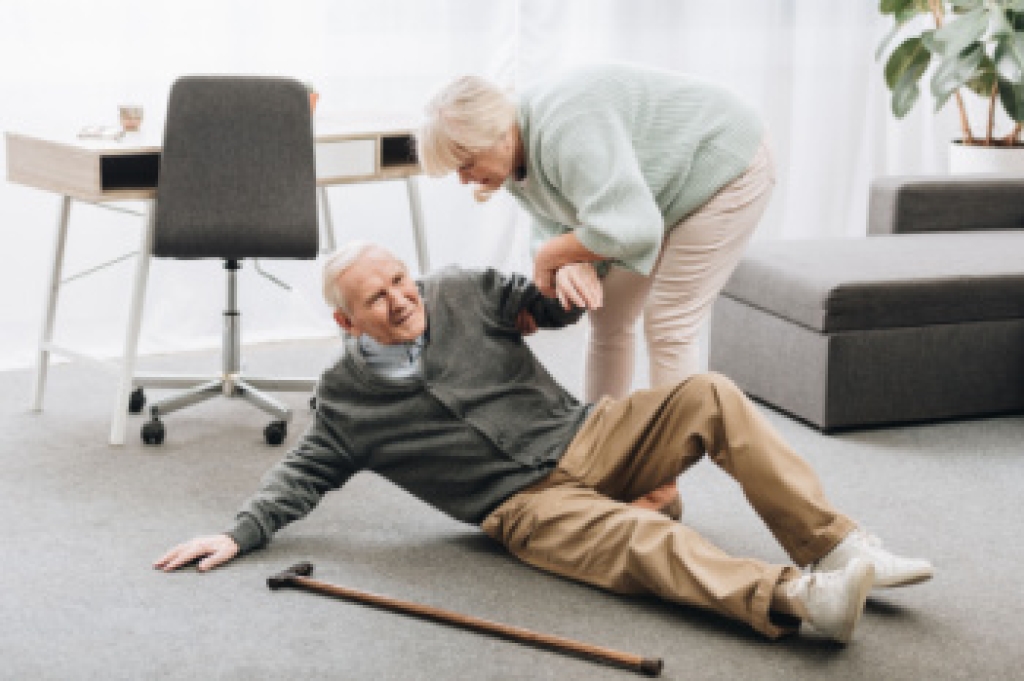
Read more about Falls Prevention
scroll to top