
Custom orthotics, or shoe inserts, should be periodically replaced. Orthotics must fit properly to give you the best results. Protect your feet and ankles!
Custom orthotics, or shoe inserts, should be periodically replaced. Orthotics must fit properly to give you the best results. Protect your feet and ankles!
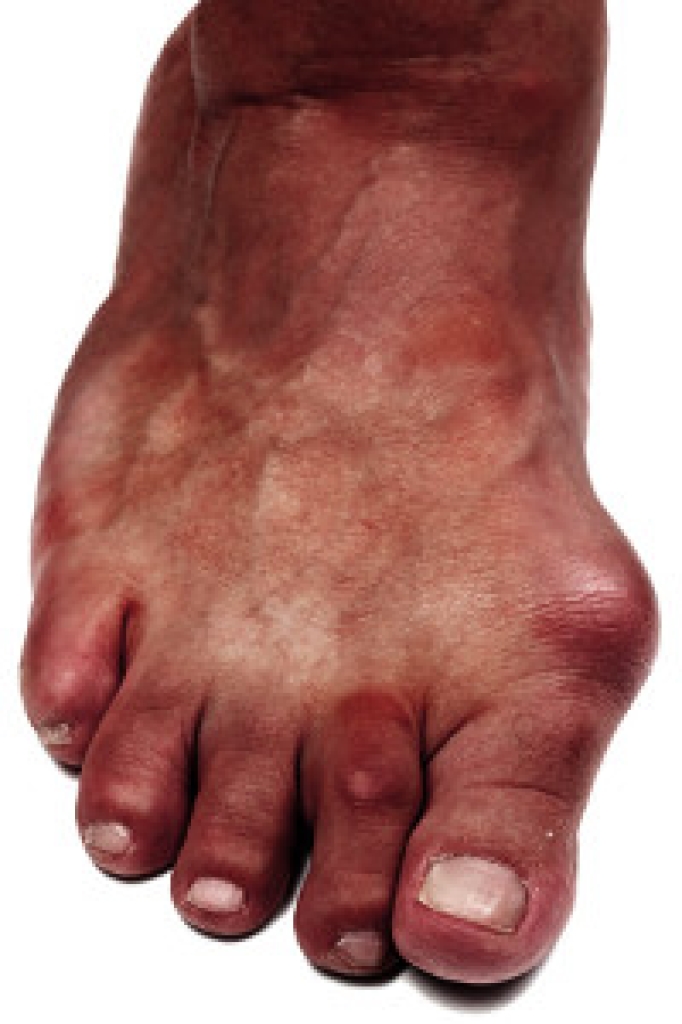 If you notice a bony protrusion that may look like a permanent deformity on the side of your big toe, you may have what is known as a bunion. It may develop as a result of wearing shoes that do not have adequate room for the toes to move freely in, or possibly from a genetic trait. Some of the symptoms that are associated with this condition may be tenderness and swelling, in addition to burning or tingling sensations. If having this ailment interferes with wearing shoes and completing daily activities, many patients may choose to undergo surgery for permanent removal of the bunion. For less severe bunions, orthotics may be prescribed which may provide mild relief. If properly fitting shoes and socks are worn, painful and uncomfortable bunions may possibly be prevented. If you are affected by bunions, it is advised to speak to a podiatrist who can properly diagnosis and offer correct treatment techniques.
If you are suffering from bunions, contact Elliot T. Udell, DPM of New York. Our doctor can provide the care you need to keep you pain-free and on your feet.
What Is a Bunion?
A bunion is formed of swollen tissue or an enlargement of boney growth, usually located at the base joint of the toe that connects to the foot. The swelling occurs due to the bones in the big toe shifting inward, which impacts the other toes of the foot. This causes the area around the base of the big toe to become inflamed and painful.
Why Do Bunions Form?
Genetics – Susceptibility to bunions are often hereditary
Stress on the feet – Poorly fitted and uncomfortable footwear that places stress on feet, such as heels, can worsen existing bunions
How Are Bunions Diagnosed?
Podiatrists often perform two tests – blood tests and x-rays – when trying to diagnose bunions, especially in the early stages of development. Blood tests help determine if the foot pain is being caused by something else, such as arthritis, while x-rays provide a clear picture of your bone structure to your provider.
How Are Bunions Treated?
If you have any questions, please feel free to contact our office located in Hicksville, NY . We offer the newest diagnostic and treatment technologies for all your foot care needs.
 Research has shown the foot is considered to be one of the most complicated structures of the body. There are numerous bones, tendons, muscles, and ligaments each foot is comprised of. The feet may endure pain and discomfort as a result of bearing the weight of the body for the majority of the day. Wearing shoes that do not fit correctly may be the source of different types of foot pain. These may include corns and bunions. A corn may develop as a result of friction that is caused by two toes rubbing together, or if a toe rubs against a part of the shoe. Bunions may form on the side of the big toe, and it may happen if shoes that are worn are too tight. If you are experiencing any type of foot pain, it is advised that you seek the counsel of a podiatrist who can properly diagnose and treat any foot condition.
Foot Pain
Foot pain can be extremely painful and debilitating. If you have a foot pain, consult with Elliot T. Udell, DPM from New York. Our doctor will assess your condition and provide you with quality foot and ankle treatment.
Causes
Foot pain is a very broad condition that could be caused by one or more ailments. The most common include:
Diagnosis
To figure out the cause of foot pain, podiatrists utilize several different methods. This can range from simple visual inspections and sensation tests to X-rays and MRI scans. Prior medical history, family medical history, and any recent physical traumatic events will all be taken into consideration for a proper diagnosis.
Treatment
Treatment depends upon the cause of the foot pain. Whether it is resting, staying off the foot, or having surgery; podiatrists have a number of treatment options available for foot pain.
If you have any questions, please feel free to contact our office located in Hicksville, NY . We offer the newest diagnostic and treatment technologies for all your foot care needs.
 Most people have dealt with a stubbed toe, which can cause an immediate sharp pain. In most cases, this initial pain fades quickly. If the pain persists, however, this could be a sign of something serious. The pain associated with hitting your toe feels intense because there are many nerve receptors in your toes that are impacted by blunt force. If the toe is hit too hard, then this may cause a break or fracture, which will require medical attention. If you are unable to put weight on the toe or if walking causes discomfort, this could be a sign that your toe is broken. If you think you may have broken your toe or injured it severely, then it is highly recommended you speak with a podiatrist in order to learn about treatment options.
A broken toe can be very painful and lead to complications if not properly fixed. If you have any concerns about your feet, contact Elliot T. Udell, DPM from New York. Our doctor will treat your foot and ankle needs.
What to Know About a Broken Toe
Although most people try to avoid foot trauma such as banging, stubbing, or dropping heavy objects on their feet, the unfortunate fact is that it is a common occurrence. Given the fact that toes are positioned in front of the feet, they typically sustain the brunt of such trauma. When trauma occurs to a toe, the result can be a painful break (fracture).
Symptoms of a Broken Toe
Generally, it is best to stay off of the injured toe with the affected foot elevated.
Severe toe fractures may be treated with a splint, cast, and in some cases, minor surgery. Due to its position and the pressure it endures with daily activity, future complications can occur if the big toe is not properly treated.
If you have any questions, please feel free to contact our office located in Hicksville, NY . We offer the newest diagnostic and treatment technologies for all your foot care needs.
Most people have dealt with a stubbed toe, which can cause an immediate sharp pain. In most cases, this initial pain fades quickly. If the pain persists, however, this could be a sign of something serious. The pain associated with hitting your toe feels intense because there are many nerve receptors in your toes that are impacted by blunt force. If the toe is hit too hard, then this may cause a break or fracture, which will require medical attention. If you are unable to put weight on the toe or if walking causes discomfort, this could be a sign that your toe is broken. If you think you may have broken your toe or injured it severely, then it is highly recommended you speak with a podiatrist in order to learn about treatment options.
Broken toes may cause a lot of pain and should be treated as soon as possible. If you have any concerns about your feet, contact Elliot T. Udell, DPM from New York. Our doctor will treat your foot and ankle needs.
What Is a Broken Toe?
A broken toe occurs when one or more of the toe bones of the foot are broken after an injury. Injuries such as stubbing your toe or dropping a heavy object on it may cause a toe fracture.
Symptoms of a Broken Toe
Although the injured toe should be monitored daily, it is especially important to have a podiatrist look at your toe if you have severe symptoms. Some of these symptoms include worsening or new pain that is not relieved with medication, sores, redness, or open wounds near the toe.
If you have any questions please feel free to contact our office located in Hicksville, NY . We offer the newest diagnostic tools and technology to treat your foot and ankle needs.
