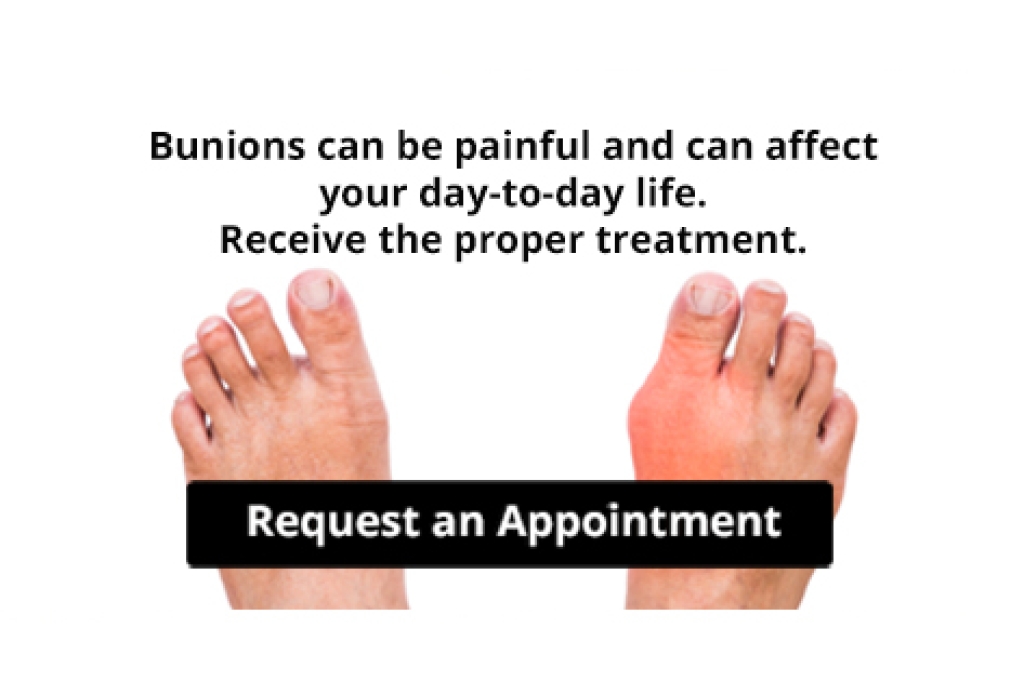
Have you noticed a bony protrusion on the side of your big toe? If so, you may have developed the foot condition known as a bunion. Don't let bunions interfere with your daily activities.
Have you noticed a bony protrusion on the side of your big toe? If so, you may have developed the foot condition known as a bunion. Don't let bunions interfere with your daily activities.
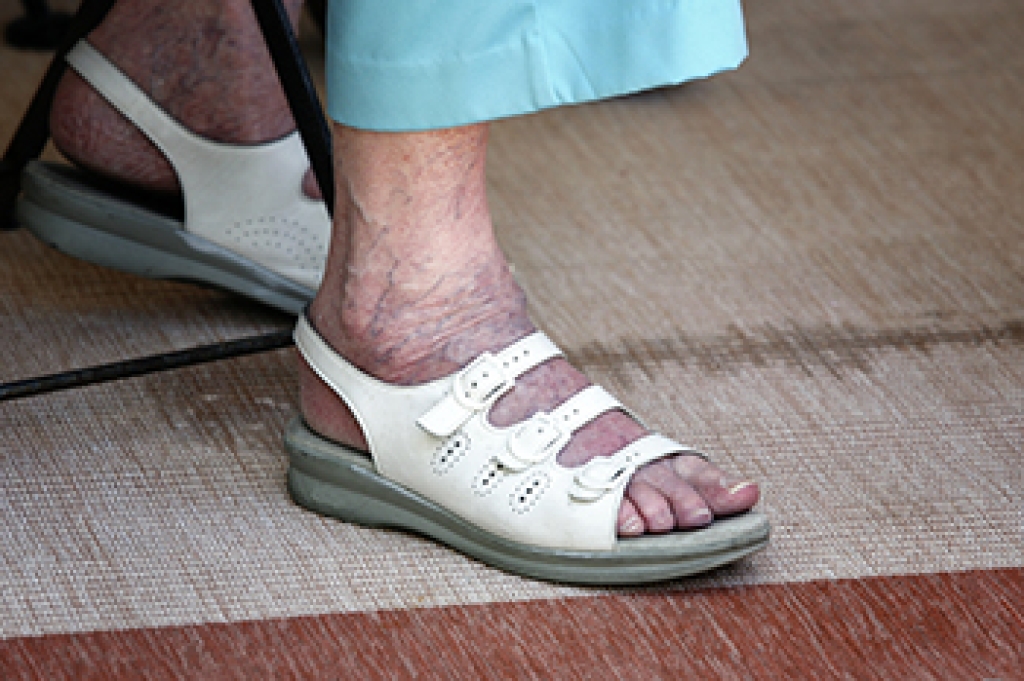
As you get older, your feet naturally change. Aging feet may become wider, flatter, or less flexible as muscles, tendons, and fat padding gradually change. These changes can affect balance, comfort, and walking. Common signs include foot stiffness, swelling, and increased sensitivity. Some changes are normal, but new pain or noticeable changes should not simply be blamed on age. Choosing supportive shoes and checking your feet regularly can help you notice problems before they become more difficult to manage.
Toenails can also look different over time. They may become thicker, harder, or yellow. Slower nail growth can make minor injuries take longer to grow out. Skin may become thinner and drier as natural oils decrease. Cracks can develop around the heels, while reduced sensation can make small injuries harder to notice. Proper moisturizing and regular nail care can help protect aging feet.
Circulation is another important part of foot health. Blood flow can become less efficient with age, especially when underlying health conditions are present. Diabetes, peripheral artery disease, and other conditions can increase the risk of foot problems. Smoking, inactivity, and previous foot injuries can also raise risk. Warning signs include persistent swelling, cold feet, or pain while walking.
A podiatrist can help distinguish normal aging from problems that require treatment. During an evaluation, the podiatrist may inspect the skin and toenails, check circulation, and examine foot structure. Treatment depends on the findings and may include nail care, skin care, or management of pressure areas. Regular foot checks are especially helpful when underlying health conditions increase risk. If you notice changes in your feet, it is suggested that you consult a podiatrist for an accurate diagnosis and appropriate treatment.
Proper foot care is something many older adults forget to consider. If you have any concerns about your feet and ankles, contact Elliot T. Udell, DPM from New York. Our doctor can provide the care you need to keep you pain-free and on your feet.
The Elderly and Their Feet
As we age we start to notice many changes in our body, but the elder population may not notice them right away. Medical conditions may prevent the elderly to take notice of their foot health right away. Poor vision is a lead contributor to not taking action for the elderly.
Common Conditions
Susceptible Infections
Diabetes and poor circulation can cause general loss of sensitivity over the years, turning a simple cut into a serious issue.
If you have any questions, please feel free to contact our office located in Hicksville, NY . We offer the newest diagnostic and treatment technologies for all your foot care needs.
Congenital foot problems are conditions affecting a baby’s feet that are present at birth. Some develop because of the baby’s position before birth, while others involve differences in how the bones, joints, or muscles formed. One example is clubfoot, which causes the foot to turn inward and downward. Another is metatarsus adductus, in which the front half of the foot curves inward. Some newborn foot deformities are flexible, while others are more rigid. The appearance of a baby’s feet does not always indicate the severity of a condition. A professional examination can help determine the type of foot problem and whether treatment is necessary.
Early evaluation is important because a baby’s feet continue to grow and develop quickly. Some congenital foot deformities may improve as the child grows, while others require medical treatment to guide the foot into a better position. The severity and flexibility of the deformity can help determine the appropriate approach. Certain conditions may affect one foot or both feet. Without proper care, more serious deformities may eventually influence standing, walking, or normal foot function. Identifying the condition early allows health care professionals to monitor development and determine whether additional treatment is needed as the child grows.
A podiatrist can evaluate congenital foot problems by examining the shape, position, and movement of a baby’s feet. The examination can help determine whether the foot is flexible or whether structural changes require closer attention. Depending on the diagnosis, podiatric care may involve monitoring development, specialized casting, or coordination with other medical specialists. Treatment decisions are based on the specific deformity and the child’s development. Early podiatric care can help support proper foot alignment and future mobility when treatment is needed. If you notice unusual positioning, shape, or movement in your baby’s feet, it is suggested that you consult a podiatrist for an evaluation and appropriate treatment options.
Congenital foot problems require immediate attention to avoid future complications. If you have any concerns, contact Elliot T. Udell, DPM of New York. Our doctor can provide the care you need to keep you pain-free and on your feet.
Congenital foot problems are deformities affecting the feet, toes, and/or ankles that children are born with. Some of these conditions have a genetic cause while others just happen. Some specific foot ailments that children may be born with include clubfeet, polydactyly/macrodactyly, and cleft foot. There are several other foot anomalies that can occur congenitally. What all of these conditions have in common is that a child may experience difficulty walking or performing everyday activities, as well as trouble finding footwear that fits their foot deformity. Some of these conditions are more serious than others. Consulting with a podiatrist as early as possible will help in properly diagnosing a child’s foot condition while getting the necessary treatment underway.
What are Causes of Congenital Foot Problem?
A congenital foot problem is one that happens to a child at birth. These conditions can be caused by a genetic predisposition, developmental or positional abnormalities during gestation, or with no known cause.
What are Symptoms of Congenital Foot Problems?
Symptoms vary by the congenital condition. Symptoms may consist of the following:
Treatment and Prevention
While there is nothing one can do to prevent congenital foot problems, raising awareness and receiving neonatal screenings are important. Early detection by taking your child to a podiatrist leads to the best outcome possible.
If you have any questions, please feel free to contact our office located in Hicksville, NY . We offer the newest diagnostic and treatment technologies for all your foot care needs.
Plantar fasciitis can turn the first steps of the morning into a painful challenge. It occurs when the plantar fascia, a strong band of tissue along the bottom of the foot, becomes irritated and inflamed. The pain is usually felt near the heel and can be sharp when standing after rest. It may ease after a few steps but return after long periods on the feet. Running, weight gain, and abnormal foot arches can place added strain on this tissue. Tight calf muscles can also increase tension near the heel.
A podiatrist can determine whether plantar fasciitis is causing the pain or whether another heel issue is present. The visit includes a review of symptoms, a foot examination, and an assessment of how the patient stands and moves. X-rays or other imaging tests can help rule out a fracture or another source of pain. A podiatrist can recommend supportive shoes, custom orthotics, or a night splint. Orthotics can improve weight distribution and reduce strain on the plantar fascia. A night splint holds the foot in a gentle stretch while the patient sleeps. For more severe pain, a walking boot or another form of support can reduce pressure while the tissue heals.
Ignoring persistent heel pain can make standing, work, and exercise more difficult. It can also increase the chance that a patient will change the way they walk to avoid pain. That change can place extra stress on the ankle, knee, or other foot. A podiatrist can monitor progress and adjust the treatment plan if symptoms do not improve. Surgery is rarely considered and is generally reserved for severe symptoms that have not responded to other care. Patients can also receive guidance on choosing shoes that fit correctly and provide proper support. If you have heel pain, it is suggested that you schedule an appointment with a podiatrist who can accurately diagnose and treat plantar fasciitis.
Plantar fasciitis is a common foot condition that is often caused by a strain injury. If you are experiencing heel pain or symptoms of plantar fasciitis, contact Elliot T. Udell, DPM from New York. Our doctor can provide the care you need to keep you pain-free and on your feet.
What Is Plantar Fasciitis?
Plantar fasciitis is one of the most common causes of heel pain. The plantar fascia is a ligament that connects your heel to the front of your foot. When this ligament becomes inflamed, plantar fasciitis is the result. If you have plantar fasciitis you will have a stabbing pain that usually occurs with your first steps in the morning. As the day progresses and you walk around more, this pain will start to disappear, but it will return after long periods of standing or sitting.
What Causes Plantar Fasciitis?
There are some risk factors that may make you more likely to develop plantar fasciitis compared to others. The condition most commonly affects adults between the ages of 40 and 60. It also tends to affect people who are obese because the extra pounds result in extra stress being placed on the plantar fascia.
Prevention
There are a variety of treatment options available for plantar fasciitis along with the pain that accompanies it. Additionally, physical therapy is a very important component in the treatment process. It is important that you meet with your podiatrist to determine which treatment option is best for you.
If you have any questions, please feel free to contact our office located in Hicksville, NY . We offer the newest diagnostic and treatment technologies for all your foot care needs.
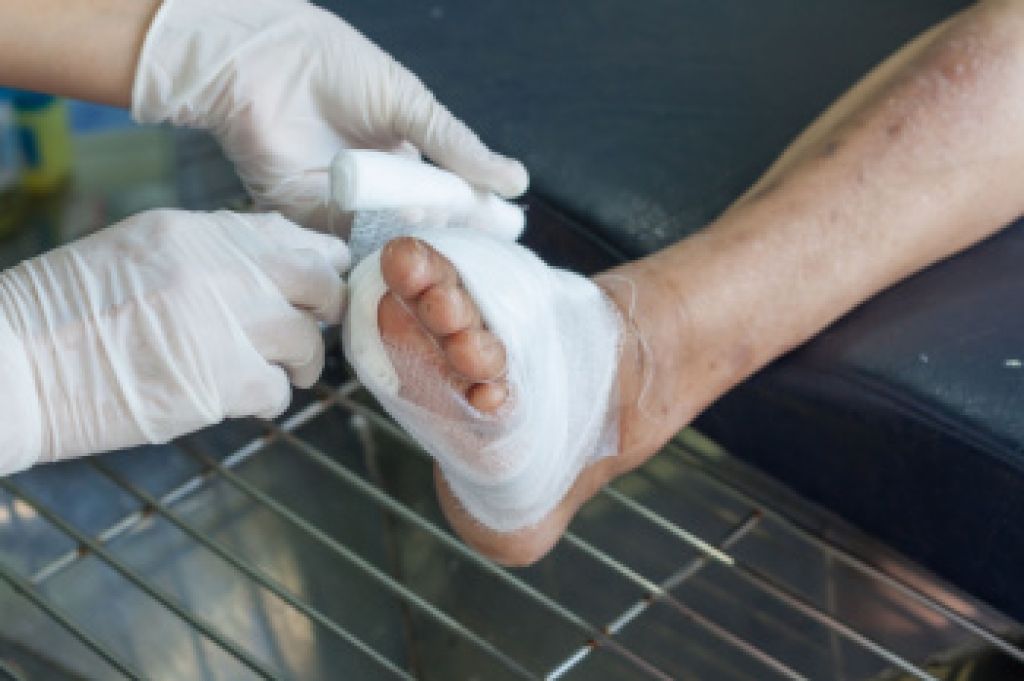
Diabetes can affect the feet in serious ways, especially when high blood sugar damages nerves and blood vessels. Nerve damage, called peripheral neuropathy, can cause numbness, tingling, or burning. A patient may not feel a blister, cut, or pressure from a shoe. Reduced circulation can also limit the oxygen and nutrients that reach injured tissue. Changes in skin color, temperature, or sensation may indicate an ulcer forming.
Diabetic foot ulcers are open sores that can develop when repeated pressure damages the skin. A callus can hide injured tissue beneath it, while reduced feeling allows the pressure to continue unnoticed. Hammertoes and other changes in foot shape can create additional pressure points. Shoes that fit poorly can add rubbing or crowd the toes. Without prompt care, an ulcer can deepen and infection can spread. Severe infection can threaten the foot and raise the risk of limb loss. Patients should contact a podiatrist promptly when they notice drainage, redness, or an open sore.
A podiatrist can identify problems early and create a plan based on the patient’s circulation, sensation, and foot structure. An examination includes checking the skin, testing nerve function, and feeling pulses in the feet. The podiatrist can safely manage thick nails or calluses that could injure nearby skin. For an ulcer, care includes cleaning the wound and removing unhealthy tissue. The podiatrist can also reduce pressure with padding, custom orthotics, or special shoes. When infection or poor circulation is suspected, further testing and coordinated medical care can protect the foot. Regular podiatry visits are especially important for patients with past ulcers, reduced feeling, or changes in foot shape. Early treatment can promote healing, prevent new wounds, and lower the chance of serious complications. If you are experiencing foot complications from diabetes, it is suggested that you are under the care of a podiatrist who can help you to manage this serious condition.
Diabetic foot care is important in preventing foot ailments such as ulcers. If you are suffering from diabetes or have any other concerns about your feet, contact Elliot T. Udell, DPM from New York. Our doctor can provide the care you need to keep you pain-free and on your feet.
Diabetic Foot Care
Diabetes affects millions of people every year. The condition can damage blood vessels in many parts of the body, especially the feet. Because of this, taking care of your feet is essential if you have diabetes, and having a podiatrist help monitor your foot health is highly recommended.
The Importance of Caring for Your Feet
Patients with diabetes should have their doctor monitor their blood levels, as blood sugar levels play such a huge role in diabetic care. Monitoring these levels on a regular basis is highly advised.
It is always best to inform your healthcare professional of any concerns you may have regarding your feet, especially for diabetic patients. Early treatment and routine foot examinations are keys to maintaining proper health, especially because severe complications can arise if proper treatment is not applied.
If you have any questions, please feel free to contact our office located in Hicksville, NY . We offer the newest diagnostic and treatment technologies for all your foot care needs.
