
Do you suffer from heel pain when you get up in the morning? If so, you should seek professional help and have a proper diagnosis performed. Heel pain can be caused by several different foot-related conditions.
Do you suffer from heel pain when you get up in the morning? If so, you should seek professional help and have a proper diagnosis performed. Heel pain can be caused by several different foot-related conditions.
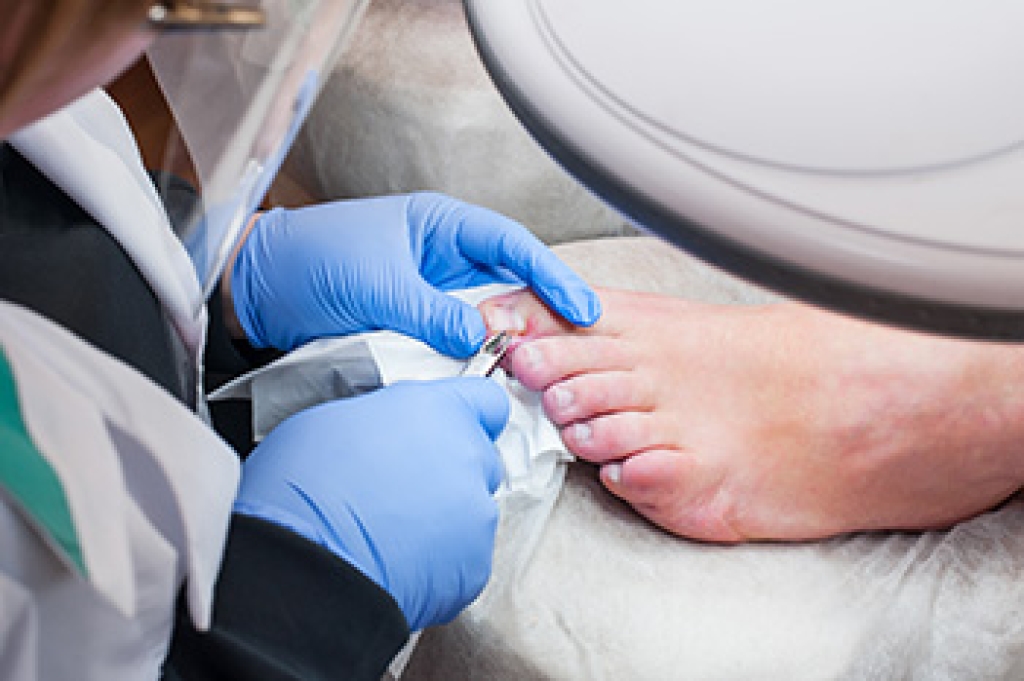
In-office foot surgery in podiatry involves minor to moderate procedures performed in a controlled clinical setting rather than in a hospital. These procedures commonly address conditions such as ingrown toenails, soft tissue lesions, and certain structural abnormalities of the foot. With advances in medical technology and the use of local anesthesia, podiatrists can safely and effectively perform many treatments within the office environment. This approach allows patients to receive prompt care while avoiding the added complexity and cost often associated with hospital-based surgery.
Symptoms that may lead to in-office surgical treatment typically include persistent pain, swelling, infection, or reduced mobility that does not respond to conservative measures. Conditions like chronic ingrown toenails, painful calluses or skin lesions, and localized tendon or soft tissue issues can significantly interfere with daily activities. When these symptoms persist or worsen over time, a minor surgical procedure may be recommended to relieve discomfort and restore normal function.
Certain factors make patients good candidates for in-office procedures. These include having a localized condition, being in generally good health, and not requiring extensive or invasive surgical correction. Delaying necessary care can increase the risk of complications, including worsening infection, greater pain, and further limitations in mobility. Early evaluation by a podiatrist helps determine the most appropriate treatment plan and whether an in-office procedure is suitable.
The benefits of in-office foot surgery include shorter recovery times, lower costs, and greater convenience. Patients often appreciate the familiar clinical setting, minimal downtime, and the ability to return home shortly after treatment. With proper aftercare and follow-up, outcomes are typically very successful. If you have a foot condition that may require surgery, it is suggested that you confer with a podiatrist who can determine whether an in-office procedure is the right option for your needs.
Foot surgery is sometimes necessary to treat a foot ailment. To learn more, contact Elliot T. Udell, DPM of New York. Our doctor will assist you with all of your foot and ankle needs.
When Is Surgery Necessary?
Foot and ankle surgery is generally reserved for cases in which less invasive, conservative procedures have failed to alleviate the problem. Some of the cases in which surgery may be necessary include:
What Types of Surgery Are There?
The type of surgery you receive will depend on the nature of the problem you have. Some of the possible surgeries include:
Benefits of Surgery
Although surgery is usually a last resort, it can provide more complete pain relief compared to non-surgical methods and may allow you to finally resume full activity.
Surgical techniques have also become increasingly sophisticated. Techniques like endoscopic surgery allow for smaller incisions and faster recovery times.
If you have any questions, please feel free to contact our office located in Hicksville, NY . We offer the newest diagnostic and treatment technologies for all your foot care needs.

Heel pain is not always caused by overuse or injury. In some cases, it may be a sign of ankylosing spondylitis, a chronic inflammatory disease classified as a type of arthritis. This condition leads to enthesitis, which is inflammation at the points where tendons and ligaments attach to bone. In the foot, the most commonly affected areas include the Achilles tendon and the plantar fascia, both of which play a major role in movement and support.
Symptoms of inflammatory heel pain often differ from typical strain-related discomfort. Patients may notice persistent pain that is worse after rest and improves slightly with activity. The back of the heel may feel sore due to Achilles tendon involvement, while the underside of the heel may be tender from plantar fascia inflammation. Swelling and stiffness can make walking uncomfortable, especially during the early part of the day or after long periods of inactivity.
The causes of this condition are linked to immune system activity rather than physical stress alone. Ankylosing spondylitis triggers inflammation at tendon and ligament attachment sites, leading to pain and irritation. While the exact cause is not fully understood, genetic factors and immune responses play a significant role. Because the heel absorbs repeated pressure throughout the day, it is often one of the first areas where symptoms appear.
Risk factors include a family history of inflammatory arthritis, early adulthood onset, and ongoing joint stiffness. Identifying symptoms early allows for better management and improved outcomes. Supportive care and medical evaluation are key components of treatment. If you have heel pain or symptoms of ankylosing spondylitis, it is suggested that you consult a podiatrist for an accurate diagnosis and effective relief and treatment solutions.
Many people suffer from bouts of heel pain. For more information, contact Elliot T. Udell, DPM of New York. Our doctor can provide the care you need to keep you pain-free and on your feet.
Causes of Heel Pain
Heel pain is often associated with plantar fasciitis. The plantar fascia is a band of tissues that extends along the bottom of the foot. A rip or tear in this ligament can cause inflammation of the tissue.
Achilles tendonitis is another cause of heel pain. Inflammation of the Achilles tendon will cause pain from fractures and muscle tearing. Lack of flexibility is also another symptom.
Heel spurs are another cause of pain. When the tissues of the plantar fascia undergo a great deal of stress, it can lead to ligament separation from the heel bone, causing heel spurs.
Why Might Heel Pain Occur?
Treatments
Heel pain should be treated as soon as possible for immediate results. Keeping your feet in a stress-free environment will help. If you suffer from Achilles tendonitis or plantar fasciitis, applying ice will reduce the swelling. Stretching before an exercise like running will help the muscles. Using all these tips will help make heel pain a condition of the past.
If you have any questions, please feel free to contact our office located in Hicksville, NY . We offer the newest diagnostic and treatment technologies for all your foot care needs.
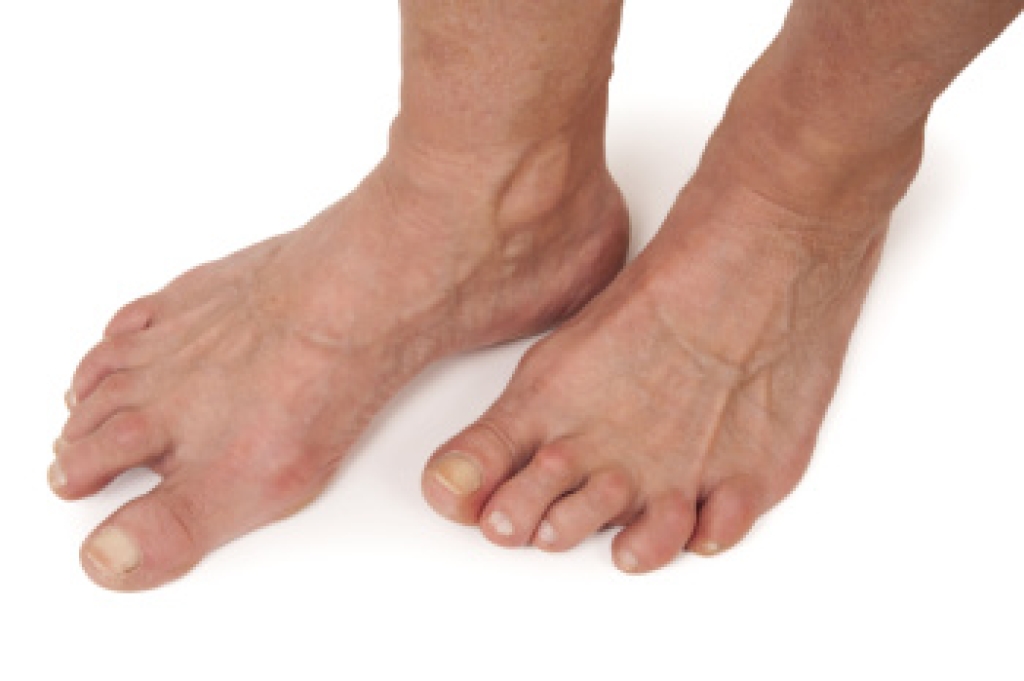
Rheumatoid arthritis is an autoimmune disease that causes the body's immune system to attack the lining of healthy joints. The feet are often affected early, making walking and other daily activities more difficult. Many people experience pain, swelling, and stiffness in the front of the foot or around the toes. As the condition progresses, the joints may become unstable. This can cause changes in foot shape and make it harder to wear comfortable shoes. Rheumatoid arthritis usually affects the same joints on both sides of the body. Without proper treatment, ongoing inflammation can damage bones, joints, and soft tissues, leading to long-term foot problems. Early diagnosis and professional care play an important role in protecting foot health and maintaining mobility.
A podiatrist is an important member of the healthcare team for people with rheumatoid arthritis. During an examination, the podiatrist evaluates joint movement, foot alignment, and areas of pain to see how the condition is affecting the feet. They may also identify deformities or changes that increase pressure when walking. Treatment is based on a person's symptoms and the stage of the disease. It may include custom orthotics, supportive footwear recommendations, or other medical treatments that improve comfort and reduce stress on the joints. Regular podiatry visits also allow changes in the feet to be monitored so treatment can be adjusted as needed.
Professional rheumatoid arthritis foot care can help improve mobility and reduce the impact of joint damage over time. Early treatment may slow the progression of foot problems and help people remain active for longer. A podiatrist works closely with other healthcare providers to support overall treatment while addressing pain and changes that affect the feet. Seeking care early may also help reduce the risk of balance problems and difficulty walking. If rheumatoid arthritis is causing foot pain or swelling, it is suggested that you consult a podiatrist for an evaluation.
Because RA affects more than just your joints, including the joints in your feet and ankles, it is important to seek early diagnosis from your podiatrist if you feel like the pain in your feet might be caused by RA. For more information, contact Elliot T. Udell, DPM of New York. Our doctor will assist you with all of your podiatric concerns.
What Is Rheumatoid Arthritis?
Rheumatoid Arthritis (RA) is an autoimmune disorder in which the body’s own immune system attacks the membranes surrounding the joints. Inflammation of the lining and eventually the destruction of the joint’s cartilage and bone occur, causing severe pain and immobility.
Rheumatoid Arthritis of the Feet
Although RA usually attacks multiple bones and joints throughout the entire body, almost 90 percent of cases result in pain in the foot or ankle area.
Symptoms
Diagnosis
Quick diagnosis of RA in the feet is important so that the podiatrist can treat the area effectively. Your doctor will ask you about your medical history, occupation, and lifestyle to determine the origin of the condition. Rheumatoid Factor tests help to determine if someone is affected by the disease.
If you have any questions, please feel free to contact our office located in Hicksville, NY . We offer the newest diagnostic and treatment technologies for all your foot care needs.

A bunion causes a bony bump to develop at the base of the big toe. This bump forms when the big toe gradually shifts toward the smaller toes, causing the joint to move out of alignment. Over time, the joint may become enlarged, making it more noticeable and often painful. Bunions can develop due to inherited foot structure, abnormal foot mechanics, or long-term pressure on the joint. Common bunion symptoms include foot pain, swelling, redness, and difficulty wearing certain types of shoes. As the condition progresses, the big toe may continue to drift inward, leading to increased discomfort and changes in foot shape.
Although bunions develop slowly, they can significantly affect daily activities and overall foot health. Many people experience pain while walking, standing, or exercising. In some cases, the joint may become stiff, limiting the normal movement of the big toe. Severe bunions can also place pressure on neighboring toes, sometimes causing additional foot problems, such as corns, calluses, or overlapping toes. Because bunions do not typically improve on their own, professional evaluation is important when symptoms begin to interfere with mobility or quality of life. Early diagnosis can help determine the severity of the condition and identify the most appropriate treatment options.
A podiatrist is a foot and ankle specialist who can diagnose and treat bunions at every stage of development. During an evaluation, a podiatrist will examine the foot, assess joint alignment, and may use imaging studies to better understand the condition. Treatment recommendations are based on the severity of symptoms and the impact on daily activities. Options may include custom orthotics, footwear modifications, padding, or surgical correction for advanced cases. Seeking timely podiatry care can help relieve discomfort, improve foot function, and reduce the risk of further joint deformity. If you are experiencing bunion pain, swelling, difficulty walking, or changes in the alignment of your big toe, it is suggested that you consult a podiatrist for an evaluation and appropriate treatment options.
If you are suffering from bunions, contact Elliot T. Udell, DPM of New York. Our doctor can provide the care you need to keep you pain-free and on your feet.
What Is a Bunion?
A bunion is formed of swollen tissue or an enlargement of boney growth, usually located at the base joint of the toe that connects to the foot. The swelling occurs due to the bones in the big toe shifting inward, which impacts the other toes of the foot. This causes the area around the base of the big toe to become inflamed and painful.
Why Do Bunions Form?
Genetics – Susceptibility to bunions are often hereditary
Stress on the feet – Poorly fitted and uncomfortable footwear that places stress on feet, such as heels, can worsen existing bunions
How Are Bunions Diagnosed?
Podiatrists often perform two tests – blood tests and x-rays – when trying to diagnose bunions, especially in the early stages of development. Blood tests help determine if the foot pain is being caused by something else, such as arthritis, while x-rays provide a clear picture of your bone structure to your provider.
How Are Bunions Treated?
If you have any questions, please feel free to contact our office located in Hicksville, NY . We offer the newest diagnostic and treatment technologies for all your foot care needs.
