A gait analysis is a method used to identify abnormalities in your walking or running pattern. This is a useful tool, especially for runners. Many people are afflicted with muscle imbalances, overpronated gaits, or other biomechanical issues that can make foot and ankle injuries more likely to occur while running. There are several types of gait analyses. An observational gait analysis involves a physical examination of your feet followed by a visual assessment of your gait. Following this, it should be easier to know what types of running shoes, orthotics, or other support you may need to correct any biomechanical problems. Other types of gait analyses may also measure force on your feet. To learn more about gait analyses, please consult with a podiatrist.
If you have any concerns about your feet, contact Elliot T. Udell, DPM from New York. Our doctor can provide the care you need to keep you pain-free and on your feet.
Biomechanics in Podiatry
Podiatric biomechanics is a particular sector of specialty podiatry with licensed practitioners who are trained to diagnose and treat conditions affecting the foot, ankle and lower leg. Biomechanics deals with the forces that act against the body, causing an interference with the biological structures. It focuses on the movement of the ankle, the foot and the forces that interact with them.
A History of Biomechanics
- Biomechanics dates back to the BC era in Egypt where evidence of professional foot care has been recorded.
- In 1974, biomechanics gained a higher profile from the studies of Merton Root, who claimed that by changing or controlling the forces between the ankle and the foot, corrections or conditions could be implemented to gain strength and coordination in the area.
Modern technological improvements are based on past theories and therapeutic processes that provide a better understanding of podiatric concepts for biomechanics. Computers can provide accurate information about the forces and patterns of the feet and lower legs.
Understanding biomechanics of the feet can help improve and eliminate pain, stopping further stress to the foot.
If you have any questions please feel free to contact our office located in Hicksville, NY . We offer the newest diagnostic and treatment technologies for all your foot and ankle needs.
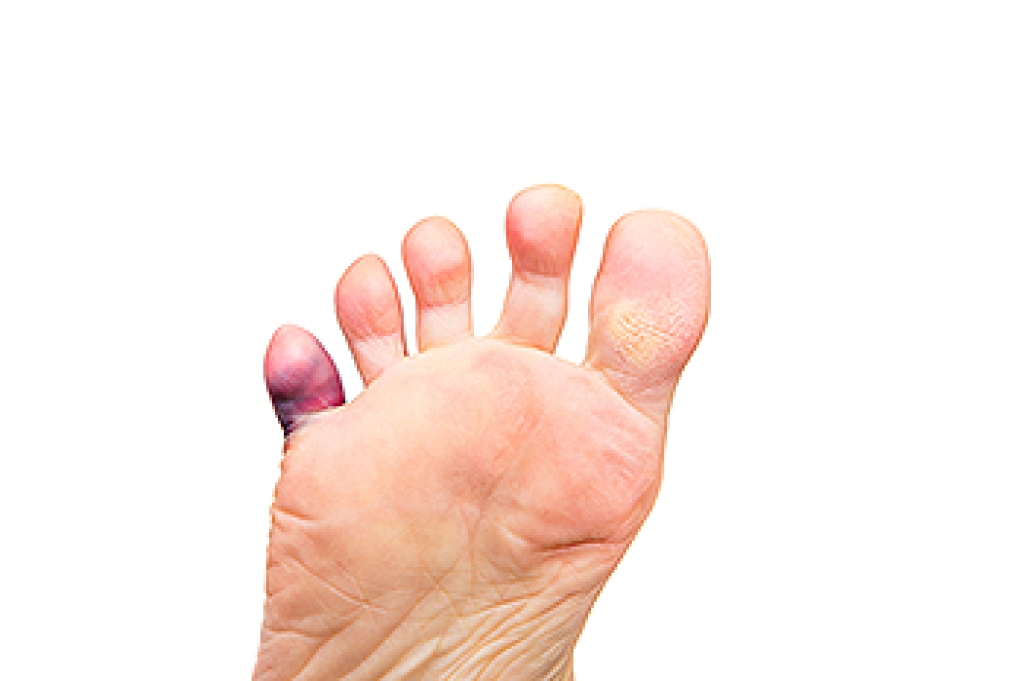 The pinky toe is the smallest toe on the foot, and it is located on the outside of the foot. It can easily be involved in an injury and be painful to deal with when broken. A broken pinky toe will often appear to be bruised, and can turn red and purple. Some patients experience swelling, as well as misalignment of the affected toe. An effective diagnosis may involve undergoing an X-ray, which can help to determine what type of fracture it is. A hairline fracture can be treated by resting the affected foot, and relief may be found when an elastic bandage is worn. Patients who are over sixty-five may be prone to enduring a dislocated toe, meaning separation of the bones in the toe. If you feel you may have