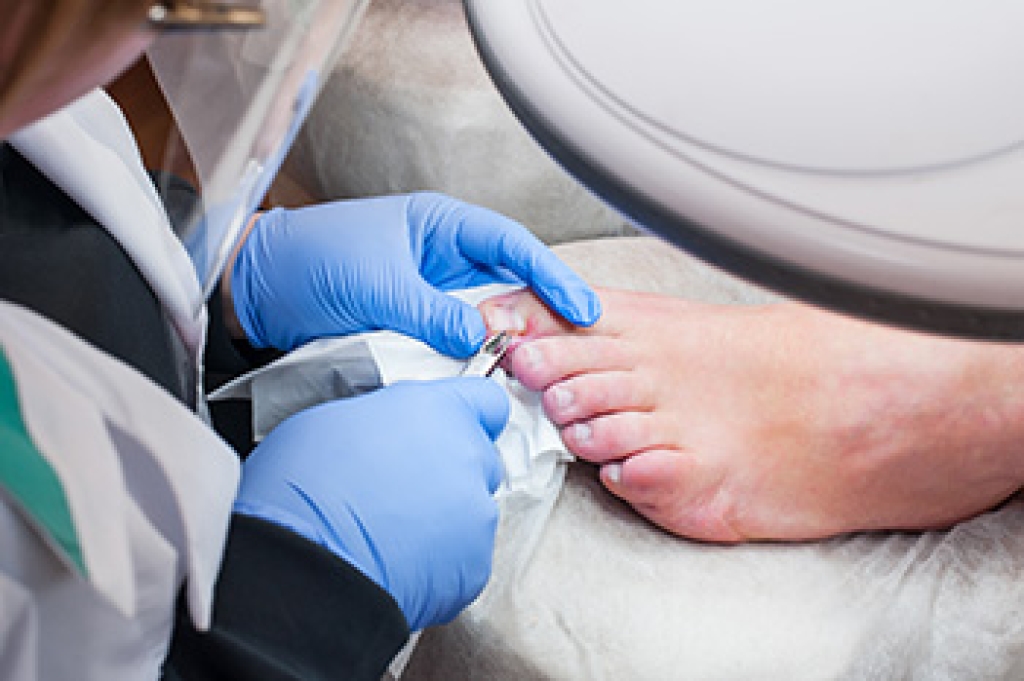
In-office foot surgery in podiatry involves minor to moderate procedures performed in a controlled clinical setting rather than in a hospital. These procedures commonly address conditions such as ingrown toenails, soft tissue lesions, and certain structural abnormalities of the foot. With advances in medical technology and the use of local anesthesia, podiatrists can safely and effectively perform many treatments within the office environment. This approach allows patients to receive prompt care while avoiding the added complexity and cost often associated with hospital-based surgery.
Symptoms that may lead to in-office surgical treatment typically include persistent pain, swelling, infection, or reduced mobility that does not respond to conservative measures. Conditions like chronic ingrown toenails, painful calluses or skin lesions, and localized tendon or soft tissue issues can significantly interfere with daily activities. When these symptoms persist or worsen over time, a minor surgical procedure may be recommended to relieve discomfort and restore normal function.
Certain factors make patients good candidates for in-office procedures. These include having a localized condition, being in generally good health, and not requiring extensive or invasive surgical correction. Delaying necessary care can increase the risk of complications, including worsening infection, greater pain, and further limitations in mobility. Early evaluation by a podiatrist helps determine the most appropriate treatment plan and whether an in-office procedure is suitable.
The benefits of in-office foot surgery include shorter recovery times, lower costs, and greater convenience. Patients often appreciate the familiar clinical setting, minimal downtime, and the ability to return home shortly after treatment. With proper aftercare and follow-up, outcomes are typically very successful. If you have a foot condition that may require surgery, it is suggested that you confer with a podiatrist who can determine whether an in-office procedure is the right option for your needs.
Foot surgery is sometimes necessary to treat a foot ailment. To learn more, contact Elliot T. Udell, DPM of New York. Our doctor will assist you with all of your foot and ankle needs.
When Is Surgery Necessary?
Foot and ankle surgery is generally reserved for cases in which less invasive, conservative procedures have failed to alleviate the problem. Some of the cases in which surgery may be necessary include:
- Removing foot deformities like bunions and bone spurs
- Severe arthritis that has caused bone issues
- Cosmetic reconstruction
What Types of Surgery Are There?
The type of surgery you receive will depend on the nature of the problem you have. Some of the possible surgeries include:
- Bunionectomy for painful bunions
- Surgical fusion for realignment of bones
- Neuropathy decompression surgery to treat nerve damage
Benefits of Surgery
Although surgery is usually a last resort, it can provide more complete pain relief compared to non-surgical methods and may allow you to finally resume full activity.
Surgical techniques have also become increasingly sophisticated. Techniques like endoscopic surgery allow for smaller incisions and faster recovery times.
If you have any questions, please feel free to contact our office located in Hicksville, NY . We offer the newest diagnostic and treatment technologies for all your foot care needs.
